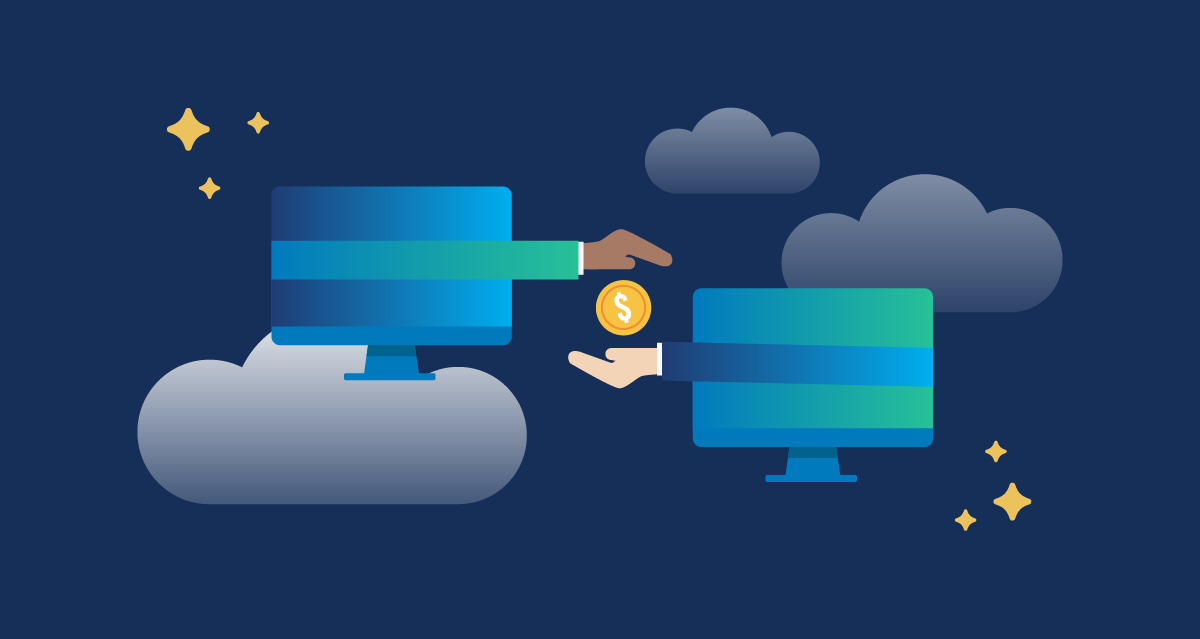
B2B Payment Solutions: What Businesses Should Know Before Choosing a Provider
Business-to-business transactions are becoming increasingly digital, making efficient payment processing more important than ever. Companies regularly send and receive payments for products, services, subscriptions, equipment, consulting, and other commercial needs. As transaction volumes grow, relying on outdated payment processes can create unnecessary delays, administrative work, and financial risks. This is why many organizations are exploring modern b2b payment solutions to improve how they manage business transactions.
However, choosing a payment provider is not simply about finding a system that can process payments. Businesses need to consider security, integration, scalability, transaction costs, reporting, customer support, and the specific requirements of their industry. Understanding these factors can help companies select a solution that supports both current operations and future growth.
Understanding B2B Payment Solutions
B2B payment solutions are technologies and services designed to help businesses send, receive, process, and manage commercial payments. Unlike many consumer transactions, business payments can involve larger amounts, recurring invoices, purchase orders, multiple approval levels, and detailed financial records.
A suitable solution can help businesses streamline these activities while reducing manual processes. Depending on the provider, businesses may be able to support different payment methods, automate parts of their accounts payable or accounts receivable workflows, and access transaction information through centralized systems.
The right solution should fit naturally into existing financial operations rather than creating additional complexity.
Evaluate Your Business Payment Requirements First
Before comparing providers, companies should identify their own payment requirements. Every organization has different transaction volumes, customer types, suppliers, currencies, and accounting procedures.
For example, a small business that processes a limited number of domestic invoices may have different needs from a multinational company handling thousands of transactions across several countries.
Businesses should consider questions such as:
- How many payments are processed each month?
- What average transaction values are involved?
- Which payment methods do customers and suppliers prefer?
- Are international transactions required?
- Does the business need recurring payment capabilities?
- Which accounting or enterprise systems need integration?
- How many employees require access to payment information?
Answering these questions creates a practical checklist for evaluating potential b2b payment solutions.
Security Should Be a Major Priority
Security is one of the most important considerations when selecting a payment provider. Business transactions can involve substantial amounts of money as well as sensitive financial information. A weak payment infrastructure may expose an organization to fraud, unauthorized transactions, or data breaches.
Companies should investigate how prospective providers approach payment security, data protection, authentication, and fraud monitoring. Businesses should also understand what security responsibilities belong to the provider and which remain with the company.
Strong authentication procedures, access controls, transaction monitoring, and appropriate security practices can help reduce financial risks. A provider should also clearly explain its security policies instead of leaving businesses uncertain about how payment information is protected.
Integration With Existing Business Systems
Payment technology should work effectively with the systems a company already uses. Many organizations depend on accounting software, enterprise resource planning platforms, customer relationship management systems, invoicing applications, and other financial tools.
If a payment solution cannot integrate effectively with these systems, employees may have to enter information manually across multiple platforms. This can increase administrative workloads and create opportunities for errors.
When comparing b2b payment solutions, businesses should therefore examine available integrations, APIs, data synchronization capabilities, and implementation requirements. A well-connected payment environment can make financial information easier to manage and reduce repetitive tasks.
Consider the Total Cost
Price is an important factor, but businesses should avoid choosing a provider based solely on the lowest advertised transaction fee. The total cost of a payment solution may include transaction charges, subscription fees, setup costs, currency conversion expenses, withdrawal fees, integration costs, and other charges.
Companies should request a complete pricing structure before making a decision. It is also useful to calculate costs based on actual transaction volumes rather than looking only at individual fees.
A slightly more expensive service may provide better automation, reporting, integrations, or support, potentially creating greater value over time. The goal should be to understand the overall return on investment rather than simply finding the cheapest option.
Scalability Matters for Growing Companies
A payment system that works for a small organization may not be suitable when transaction volumes increase. Businesses should think about where they expect to be in the next few years.
Scalable b2b payment solutions should be capable of supporting increasing transaction volumes without creating major operational difficulties. Businesses may also need additional users, new payment methods, international capabilities, or more advanced reporting as they expand.
Choosing a provider with room for growth can prevent companies from having to replace their payment infrastructure every time their business reaches a new stage.
Reporting and Financial Visibility
Financial visibility can have a major impact on business decision-making. Companies need to know which payments have been completed, which invoices remain outstanding, and how money is moving through the organization.
A useful payment platform should provide clear transaction information and practical reporting capabilities. Businesses can use this information to reconcile accounts, monitor payment activity, identify outstanding transactions, and improve financial planning.
Before selecting a provider, decision-makers should examine how reports are generated, what information they contain, and whether data can be exported or integrated with existing accounting systems.
Resources such as paytechtrust.com can also be considered when businesses are researching payment-related topics and evaluating the broader B2B payment landscape.
Customer Support and Reliability
Even a technically advanced payment platform can become a problem if reliable support is unavailable when something goes wrong. Payment issues can affect suppliers, customers, employees, and cash flow, so businesses need clear channels for resolving problems.
Companies should evaluate the provider’s support options, response processes, documentation, and availability. It is also important to understand how payment interruptions are handled.
Reliability should be considered alongside features. A payment solution that offers numerous capabilities but frequently experiences operational problems may create more difficulties than it solves.
User Experience and Internal Adoption
A payment system should be straightforward for employees to use. Complicated interfaces can increase training requirements and encourage staff to rely on manual alternatives.
Decision-makers should consider the experience of employees who will approve payments, review transactions, reconcile accounts, or manage financial information. If customers interact directly with the payment system, their experience should also be considered.
An intuitive platform can encourage adoption and help businesses gain greater value from their payment technology.
Think About Compliance and Business Requirements
Payment operations can involve financial regulations, data protection requirements, and industry-specific obligations. These considerations may become more complex when businesses operate across different countries.
Companies should understand which compliance responsibilities apply to their activities and determine how prospective providers address relevant requirements. They should also review contracts, terms, data policies, and service conditions carefully before signing an agreement.
Professional legal or financial advice may be appropriate when payment arrangements involve complex regulatory requirements.
Making the Final Decision
Choosing among different b2b payment solutions requires a balanced assessment of technology, cost, security, usability, integration, scalability, and support. Businesses should avoid selecting a provider simply because it has the most features or the lowest advertised price.
Instead, decision-makers should compare providers against their actual operational needs. A useful evaluation process can include creating a requirements checklist, requesting demonstrations, reviewing pricing, testing integrations, and gathering feedback from employees who will use the system.
The best solution is one that fits the company’s current processes while providing enough flexibility to support future development.
Conclusion
Modern businesses need payment infrastructure that is secure, efficient, reliable, and adaptable. As commercial transactions become increasingly digital, the right payment technology can help companies reduce administrative work, improve financial visibility, and create smoother relationships with customers and suppliers.
When evaluating b2b payment solutions, businesses should look beyond basic payment processing. Security, integration, pricing, scalability, reporting, support, compliance, and user experience all deserve careful consideration. By taking a strategic approach to provider selection, companies can choose a payment solution that supports efficient operations today while preparing their financial processes for tomorrow.