Bitcoin’s Price and the Fear of Missing Out (FOMO)
The recent surge in Bitcoin’s price has been nothing short of exhilarating for those invested in the cryptocurrency market. The meteoric rise and fall of Bitcoin’s value have been a rollercoaster ride for investors, with the fear of missing out (FOMO) playing a significant role in driving market behavior. This phenomenon has led to a surge in interest and investment, as people scramble to get a piece of the action before it’s too late.
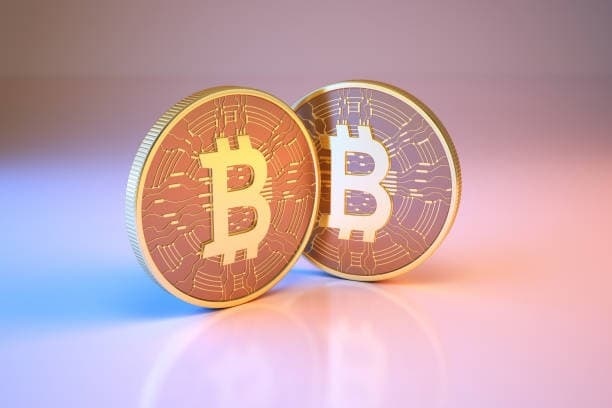
Bitcoin’s price has always been a topic of intense debate and speculation. Some see it as the future of finance, while others view it as a speculative bubble that’s bound to burst. Regardless of one’s perspective, it’s hard to deny the impact that btc price has had on the financial world. As the value of Bitcoin soars, so too does the FOMO, with more and more people feeling the pressure to invest before they miss out on potential gains.
One of the key factors driving Bitcoin’s price is its scarcity. With a maximum supply of 21 million coins, Bitcoin is designed to be a deflationary currency, meaning its value should increase over time as demand outpaces supply. This scarcity, combined with the increasing adoption of Bitcoin as a legitimate form of payment, has led to a surge in demand and, consequently, an increase in Bitcoin’s price.
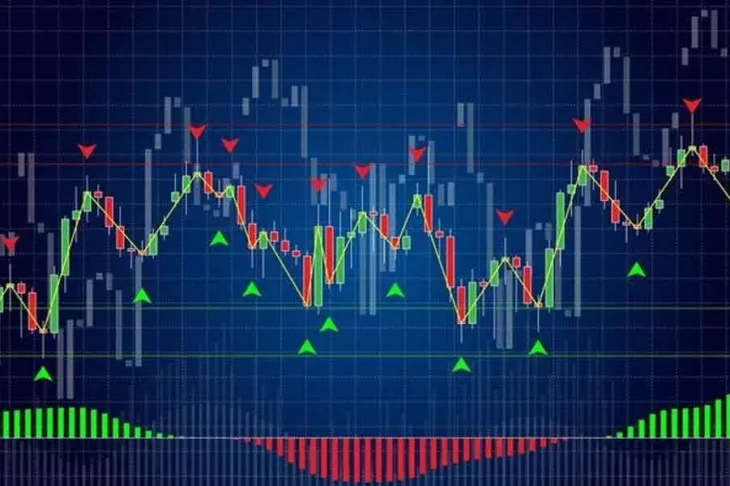
However, the volatility of Bitcoin’s price can’t be ignored. The cryptocurrency market is known for its wild price swings, with Bitcoin’s value often experiencing dramatic increases and decreases in a short period. This volatility can be both a blessing and a curse for investors, as it presents opportunities for significant gains but also the risk of substantial losses. The fear of missing out on these potential gains can lead to impulsive investment decisions, which may not always be the best strategy in the long run.
Another factor influencing Bitcoin’s price is the growing acceptance of cryptocurrencies by mainstream financial institutions. As more and more banks and investment firms begin to recognize the potential of digital currencies, they are increasingly integrating them into their portfolios. This mainstream adoption has helped to legitimize Bitcoin and increase its price, as it becomes more widely accepted as a form of payment and investment.
But with this growing acceptance comes increased scrutiny and regulation. Governments around the world are grappling with how to regulate cryptocurrencies, with some implementing strict controls and others embracing the technology. This regulatory uncertainty can have a significant impact on Bitcoin’s price, as investors react to news of potential restrictions or support from regulatory bodies.
The fear of missing out on Bitcoin’s price gains can also lead to a herd mentality among investors. As more people jump on the Bitcoin bandwagon, the price continues to rise, creating a self-fulfilling prophecy. This can lead to a bubble-like scenario, where the price is driven up by speculation rather than underlying value. When the bubble inevitably bursts, those who invested late may find themselves holding the bag, while early investors reap the rewards.
Despite the risks, many still believe in the long-term potential of Bitcoin and its price. Proponents argue that as the world becomes more digital and interconnected, the need for a decentralized, borderless currency will only grow. They see Bitcoin as a hedge against inflation and a way to protect wealth in an increasingly uncertain economic climate.
In conclusion, Bitcoin’s price is a complex interplay of factors, including scarcity, demand, mainstream adoption, and regulatory uncertainty. The fear of missing out on potential gains can drive investors to make impulsive decisions, but it’s important to remember that the cryptocurrency market is volatile and unpredictable. As with any investment, it’s crucial to do thorough research and consider the risks before diving in. Bitcoin’s price may continue to rise, but it’s also possible that it could fall, leaving those who invested out of FOMO exposed to significant losses.