Rethinking Packaging Systems for a Responsible and Efficient Future
Material decisions now shape how products move, how brands communicate value, and how waste is handled after use. Businesses operating in food service, retail, and distribution sectors now evaluate packaging not only for function but for long-term impact. Within this shift, sustainable moulded packaging has become a practical direction that supports both operational needs and responsible material usage.
Efficiency in packaging goes beyond protection. It influences storage optimization, transportation cost, and customer perception. Companies are steadily moving toward solutions that balance durability with reduced environmental burden, especially in markets where compliance standards and consumer awareness continue to grow.
The Structural Logic Behind Modern Packaging Materials
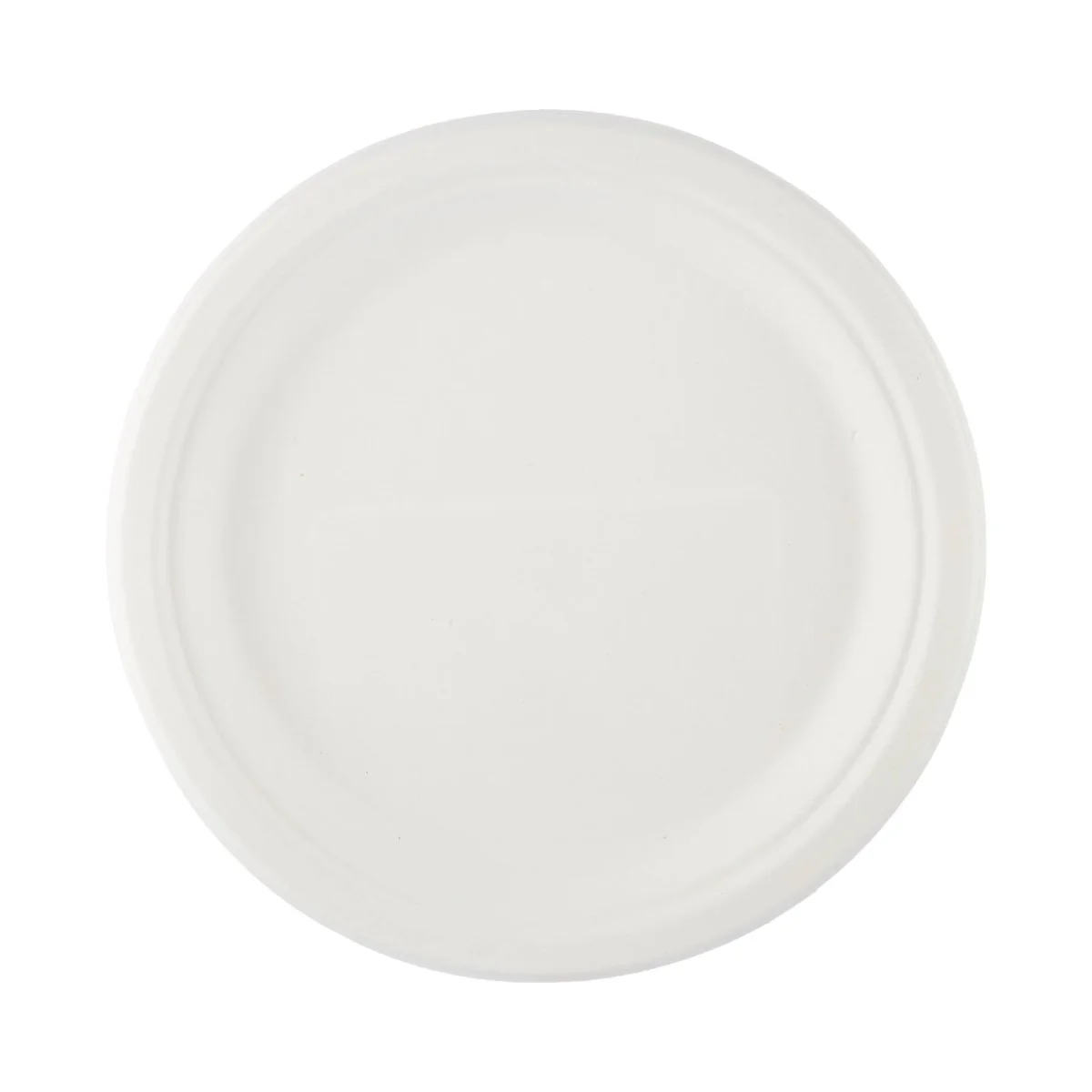
Packaging today is engineered with intent. It is no longer a passive layer but an active component of product delivery systems. Molded fiber formats, for example, are designed to retain shape under pressure while remaining lightweight, enabling secure transport alongside cost-efficient logistics.
Material sourcing plays an equally critical role. Recycled pulp and renewable fibers contribute to circular production cycles, allowing businesses to maintain supply stability while aligning with evolving regulatory frameworks. This approach supports both environmental goals and operational continuity across industries.
Performance Standards That Define Industry Adoption
Reliability remains the first benchmark when evaluating packaging solutions. Food-grade safety, resistance to heat and moisture, and structural strength under load are essential across sectors such as catering, quick-service restaurants, and bakery distribution.
Hygiene compliance further strengthens decision-making. Packaging must preserve product integrity from production to delivery without contamination risks. Manufacturers therefore rely on controlled production methods that ensure consistency across large batches, allowing businesses to depend on uniform quality.
Expanding Applications Across Food and Retail Segments
Packaging requirements differ across industries, yet adaptability remains a constant need. Food service operators require containers capable of handling varying temperatures, while retail environments prioritize presentation and shelf consistency.
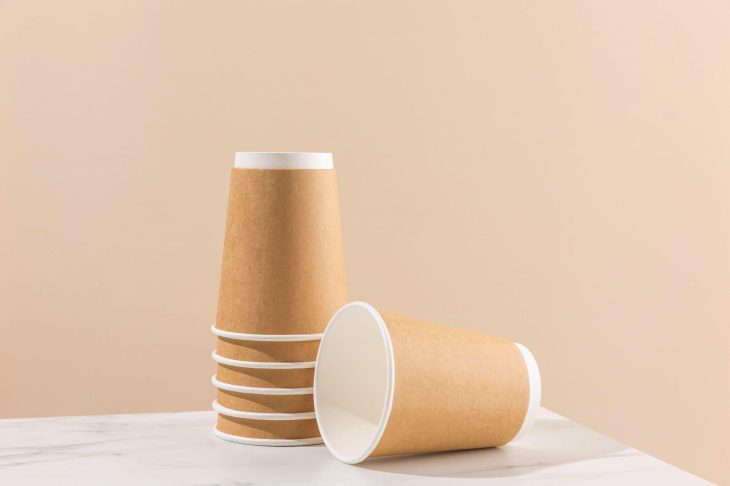
Alongside molded formats, businesses also rely on paper cups, foil containers, plastic takeaway boxes, and wrapping materials that support daily operations across food service and retail environments. Bulk sourcing has also expanded access to biodegradable food containers wholesale in UAE, allowing businesses to secure large quantities without compromising environmental considerations.
Design Precision and Branding Integration
Packaging functions as a direct extension of brand identity. It communicates attention to detail, product quality, and consistency. Businesses increasingly treat packaging design as a strategic element rather than a secondary consideration.
Clarity in structure, symmetry in form, and compatibility with printing processes ensure that packaging aligns with brand expectations. Whether used for takeaway service or retail display, well-designed packaging reinforces a consistent customer experience across touchpoints.
Functional Categories That Support Diverse Needs
Packaging solutions are often grouped based on usage requirements, enabling businesses to select formats suited to their operational flow. Each category addresses specific functional demands while maintaining consistency in performance.
Food Storage Containers
These are built to handle temperature variations and prevent leakage. Their structure ensures that food remains intact during storage and short-distance transport without affecting quality.
Bakery Packaging Solutions
Delicate items such as cakes and pastries require rigid support and proper ventilation. These packaging formats maintain shape and presentation during handling and delivery.
Takeaway Packaging Formats
Portability and convenience define this category. Secure closures, balanced weight, and stackable structures improve usability for both businesses and customers.
Retail Display Packaging
Presentation plays a central role here. Clean finishes, uniform dimensions, and compatibility with branding elements enhance shelf visibility and product appeal.
Manufacturing Efficiency and Scalability
Consistency in production is essential for large-scale operations. Automated processes ensure that each packaging unit meets identical specifications, which is critical for businesses managing multiple outlets or centralized supply chains.
Scalability influences both cost and availability. Packaging solutions must accommodate fluctuating demand without compromising quality. Efficient manufacturing systems enable suppliers to deliver large volumes while maintaining reliability across supply cycles.
Key Features Businesses Evaluate Before Procurement
Procurement decisions are guided by practical considerations that directly affect operations. Businesses assess durability, compatibility, and logistical efficiency before finalizing packaging solutions.
- Durability Under Load
Packaging must withstand stacking and handling pressure during storage and transit, reducing product damage and loss. - Material Compatibility
Resistance to moisture, grease, and temperature variations ensures suitability across diverse food applications. - Logistical Efficiency
Uniform dimensions and stackable designs simplify storage, handling, and transportation processes.
Regulatory Alignment and Market Expectations
Packaging standards continue to evolve in response to regulatory requirements and environmental goals. Businesses operating in structured markets must ensure that packaging complies with safety and material guidelines.
Customer expectations also influence packaging choices. Awareness around waste management has increased, encouraging businesses to adopt solutions that reflect responsible practices while maintaining operational efficiency.
Innovation in Material Engineering
Advancements in material engineering have expanded the possibilities within packaging design. Improved molding techniques now offer better strength and flexibility, allowing products to meet demanding performance standards.
Ongoing research also focuses on reducing material usage without affecting durability. Optimized production methods support efficiency gains, enabling businesses to manage costs while maintaining consistent quality.
Final Thoughts
What truly defines a dependable packaging partner in a fast-moving commercial environment where consistency and supply reliability directly impact operations? The answer often lies in product range depth, availability across categories, and the ability to support both bulk and routine procurement without disruption.
Businesses sourcing through Hotpack Web Store gain access to a wide spectrum of solutions including paper cups, aluminum containers, plastic packaging, tissue products, cling films, and bakery-specific formats, all structured for commercial-scale use. Positioned as a cake box supplier in Dubai, the platform supports bakeries, food outlets, and retail chains with packaging that meets both presentation and functional requirements, while maintaining supply consistency across volumes.