Smart Approaches to Retiring IT Systems Without Data Risks
As organizations continue to upgrade their digital infrastructure, retiring outdated systems has become a critical operational step that requires careful planning. In technology-driven regions, practices like data decommissioning Dubai are gaining importance as businesses focus on secure, compliant, and efficient ways to phase out legacy IT assets.
System retirement today is not just about removing old hardware; it involves protecting sensitive data, maintaining compliance, and ensuring that no critical information is exposed during the transition. This blog explores smart approaches to retiring IT systems while minimizing data risks and maintaining operational efficiency.
Why IT System Retirement Requires a Strategic Approach
Retiring IT systems is a complex process that goes beyond simple disposal. Organizations manage large volumes of data, connected systems, and compliance requirements, so careful planning becomes essential.
Key reasons to plan effectively:
- Prevent unauthorized access to sensitive data
- Maintain compliance with data protection rules
- Ensure smooth transitions without disruption
- Protect reputation and customer trust
A structured approach helps ensure systems are retired safely while maintaining security and continuity.
Understanding the IT Decommissioning Process
IT decommissioning refers to the systematic process of shutting down and removing outdated systems in a secure and controlled manner.
Key steps involved:
- Identifying systems that are no longer required
- Backing up essential and active data
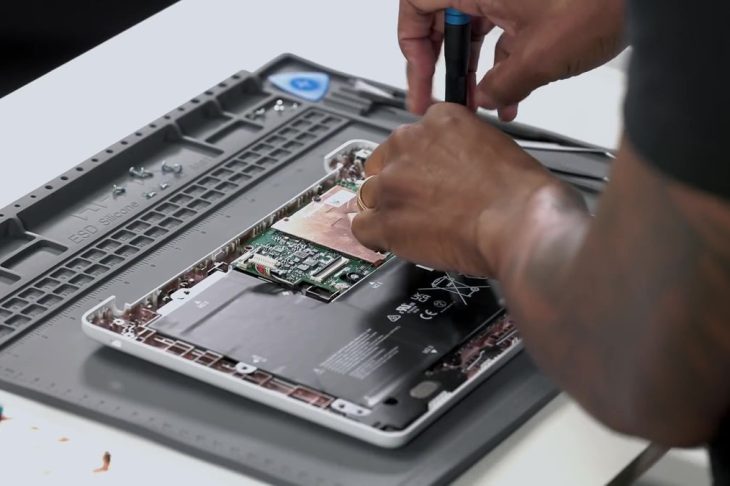
- Disconnecting systems from networks and access points
- Performing secure data erasure or destruction
- Recycling, reselling, or disposing of hardware responsibly
Each step plays an important role in ensuring that no sensitive information remains accessible.
The Importance of Data Security During Decommissioning
Data security remains the most critical factor when retiring IT systems. Even inactive devices can store confidential information that must be handled carefully.
Key considerations:
- Use certified data wiping tools and techniques
- Ensure complete removal of stored information
- Protect intellectual property and customer data
- Follow industry-specific data protection standards
A secure approach ensures that data cannot be recovered or misused after system retirement.
Mid-Process Focus on Secure Data Handling
Implementing structured practices aligned with data decommissioning Dubai ensures that every stage of system retirement is handled with precision. These approaches focus on eliminating data risks before hardware is reused or recycled.
Additionally, adopting data decommissioning Dubai strategies allows organizations to maintain detailed records and documentation. This improves traceability, supports audits, and ensures compliance with internal and external standards.
Asset Inventory and Lifecycle Management
Proper asset management is essential for successful IT system retirement as it ensures effective tracking and control of IT resources throughout the process.
Key benefits:
- Provides clear visibility of all IT assets
- Helps track devices throughout their lifecycle
- Ensures no equipment is overlooked during decommissioning
- Supports accurate reporting and accountability
Managing the lifecycle of IT assets helps organizations make informed decisions about reuse, recycling, or disposal.
Environmentally Responsible IT Disposal
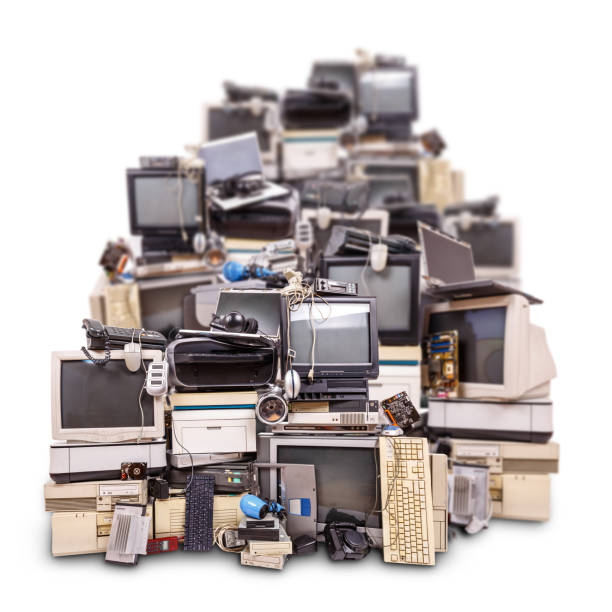
Sustainability has become a key focus area in IT asset management. Responsible disposal practices help reduce environmental impact.
Eco-friendly approaches:
- Recycling electronic components safely
- Reducing electronic waste generation
- Reusing functional parts wherever possible
- Following environmental guidelines and standards
These practices align business operations with sustainability goals while ensuring responsible handling of electronic waste.
Leveraging Technology for Efficient Decommissioning
Technology plays a crucial role in improving the efficiency and accuracy of IT system retirement by making the process more structured, secure, and easier to manage.
Key tools and solutions:
- Advanced data wiping and destruction software
- Asset tracking and management systems
- Automated reporting and compliance tools
- Secure logistics and transportation systems
These tools help streamline processes, reduce manual effort, and improve overall accuracy.
Compliance and Documentation Requirements
Maintaining proper documentation is essential for both operational and legal purposes, as it ensures transparency, accountability, and clear record-keeping throughout the process.
Key compliance areas:
- Data protection regulations and policies
- Industry-specific compliance requirements
- Secure handling and disposal protocols
- Detailed reporting and audit trails
Accurate documentation ensures transparency and helps organizations stay compliant with regulations.
Benefits of a Structured Decommissioning Strategy
A well-planned approach to IT system retirement provides several advantages by ensuring smoother execution, better control, and improved efficiency throughout the entire process.
Key benefits:
- Enhanced data security and protection
- Improved operational efficiency
- Better utilization of resources
- Reduced environmental impact
- Clear accountability and reporting
These benefits make structured decommissioning an essential part of modern IT management.
Best Practices for Safe IT System Retirement
Following best practices ensures that the process remains secure and efficient by helping organizations manage each stage of IT system retirement in a structured and reliable way.
Recommended steps:
- Conduct a comprehensive asset audit
- Develop a detailed decommissioning plan
- Use certified data destruction methods
- Partner with experienced service providers
- Maintain clear and complete documentation
These practices help organizations minimize risks and ensure smooth execution.
The Role of IT Asset Recovery
IT asset recovery helps organizations extract value from outdated equipment instead of simply discarding it.
Key advantages:
- Reduces operational costs
- Supports sustainable practices
- Maximizes the value of existing assets
- Encourages reuse and recycling
This approach ensures that businesses benefit even after systems are retired.
Future Trends in IT Decommissioning
The IT asset management landscape continues to evolve with new technologies and practices.
Emerging trends:
- Automation in asset tracking and reporting
- Increased focus on sustainability
- Advanced data destruction technologies
- Integration of AI for process optimization
These advancements are shaping more efficient and secure decommissioning strategies.
Importance of Choosing the Right Service Partner
Working with experienced service providers simplifies the decommissioning process and ensures compliance.
Key advantages:
- Access to specialized expertise
- Efficient handling of large-scale operations
- Better compliance with regulations
- Reduced operational complexity
Choosing the right partner ensures a smooth and secure transition.
Conclusion
Retiring IT systems requires a careful balance of security, efficiency, and sustainability. With the right approach, organizations can protect sensitive data, maintain compliance, and ensure smooth transitions without disrupting operations.
When it comes to data center asset recovery in Dubai, Planet Green Recycling (L.L.C) offers reliable and structured solutions for IT asset management and recycling. The company focuses on secure data handling, responsible disposal practices, and efficient recovery processes, helping organizations manage outdated IT systems while maintaining compliance, sustainability, and operational confidence.