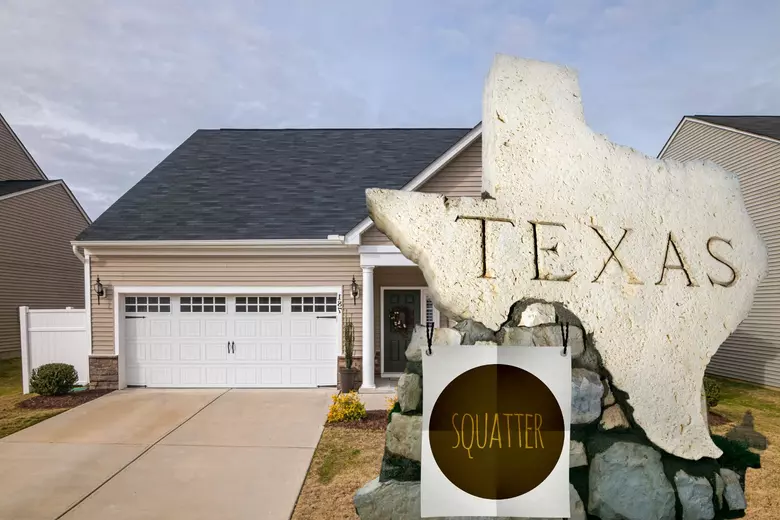
The Legal Protections Offered by Texas Squatters Rights
Squatters’ rights, often misunderstood and rarely explored in-depth, provide an important layer of legal protection within the state of Texas. These laws are officially recognized under the term “adverse possession” and serve specific purposes in ensuring land ownership disputes are resolved fairly. While the concept of squatters’ rights may seem unconventional, understanding their benefits and their role in property law reveals a system designed to protect the interests of long-term occupants in certain circumstances.
This blog explores the legal framework of texas squatters rights and the protections they provide, offering insights into their implications and role in property law.
What Are Squatters’ Rights in Texas?
Squatters’ rights refer to a set of legal principles that allow an individual to claim property ownership after occupying it continuously for a specific period, under specific conditions, without the owner’s explicit permission. This concept is regulated under Texas property law and primarily functions to address situations where land or properties have been neglected by their rightful owners or remain abandoned. Squatters’ rights require the occupier to meet several legal criteria, ensuring that ownership disputes are resolved systematically and fairly.
For adverse possession to take effect, the squatter must fulfill several conditions, including continuous occupancy of the land or property for a prescribed length of time. Additionally, the possession must be public, exclusive, and without consent from the actual owner.
The Benefits of Texas Squatters’ Rights
- Encourages Better Land Use
Texas squatters’ rights help address the issue of unused or abandoned properties. When properties remain unoccupied for extended periods, they are often left to deteriorate, negatively impacting local communities and surrounding properties. By allowing individuals to take possession of vacant spaces under specified conditions, squatters’ rights promote more productive use of land and buildings. This encourages sustainable land use practices and revitalizes neglected spaces into functioning parts of the community.
- Resolving Long-Term Ownership Disputes
Property disputes, particularly those involving boundaries or unclear inheritances, can be challenging to resolve in court. Squatters’ rights provide a legal avenue for resolving such disputes by allowing long-term occupants to establish ownership where rightful claims are unclear or abandoned. This approach minimizes prolonged legal battles, offering a practical solution to disputes over land rights.
- Protecting Investments Made by Occupants
Sometimes, long-term occupants of a property may invest significant time, money, and effort into improving or maintaining the land or building they are occupying. Squatters’ rights ensure that individuals who have genuinely committed to developing and caring for a property are considered for ownership after meeting the necessary legal criteria. Such protections incentivize investments that provide value to communities while safeguarding the interests of those continuously maintaining the property.
- Encourages Responsibility in Property Ownership
Squatters’ rights indirectly place accountability on property owners to responsibly manage their land. Negligence or total abandonment becomes more likely to lead to adverse possession claims, motivating owners to prevent mismanagement or long periods of disuse. This contributes to overall community health and avoids scenarios where properties are left in a state of disrepair.
- Supports Housing Opportunities and Affordability
Squatters’ rights can benefit housing initiatives in Texas by providing long-term occupants with access to affordable living arrangements. Although not a direct solution to housing affordability, these rights reduce vacant properties over time and help individuals secure living spaces in areas where housing may be difficult to attain. Responsible occupation under such rights also contributes to social stability, as individuals are legally integrated into a system that acknowledges their residency and efforts.